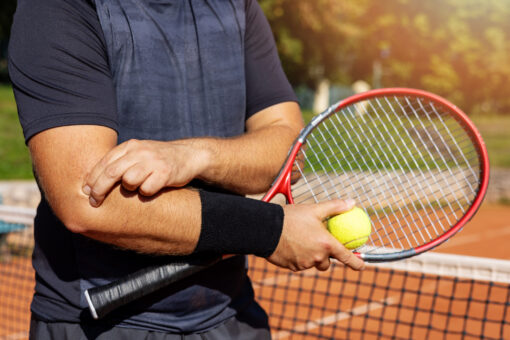
Elbow pain can make simple tasks frustrating. Gripping a coffee mug, turning a doorknob, carrying groceries or swinging a racket can all start to hurt. For many people in San Bernardino CA, the cause is tennis elbow or golfer’s elbow. Both are overuse injuries of the tendons around the elbow, and both usually respond well to physical therapy. A targeted program of strengthening, manual therapy and activity changes can reduce pain, restore grip strength and help keep the problem from coming back.
At Form & Function Physical Therapy, we help athletes, tradespeople and everyday active people get past stubborn elbow pain. This guide explains what these conditions are, how to tell them apart and how physical therapy helps.
What Is Tennis Elbow?
Tennis elbow, also called lateral epicondylitis or lateral elbow tendinopathy, affects the tendons on the outside of the elbow. These tendons connect the forearm muscles that extend your wrist and fingers. When they’re overloaded again and again, they become irritated and painful.
Despite the name, most people with tennis elbow don’t play tennis. It’s common among people who do repetitive gripping or wrist movements, such as:
- Carpenters, electricians, mechanics and plumbers
- People who type or use a computer mouse for long hours
- Painters and people who use hand tools often
- Gardeners and anyone doing frequent yard work
- Racket sport players, including tennis and pickleball
What Is Golfer’s Elbow?
Golfer’s elbow, also called medial epicondylitis, affects the tendons on the inside of the elbow. These tendons connect the forearm muscles that bend your wrist and fingers and help you grip.
It’s common in golfers, but it also shows up in baseball and softball players, weightlifters, rock climbers and workers who do repetitive lifting or gripping. Anyone who loads the inner forearm over and over is at risk.
How to Tell the Difference
The main difference is where it hurts. Here’s a simple way to tell them apart:
- Tennis elbow: Pain and tenderness on the outer elbow. It often gets worse when you grip, lift with your palm facing down, or extend your wrist.
- Golfer’s elbow: Pain and tenderness on the inner elbow. It often gets worse when you grip, flex your wrist, or make a fist.
With either condition, pain may spread down the forearm, grip strength may drop, and the elbow may feel stiff in the morning. A physical therapist can confirm which tendons are involved with a hands-on exam and simple strength and movement tests.
Why Elbow Tendon Pain Often Lingers
Many people hope elbow pain will go away with rest, and sometimes mild cases do improve. But tendon problems often linger or return because rest alone doesn’t rebuild the tendon’s ability to handle load. When you go back to work or sport, the same stress hits the same weakened tissue.
Other factors can keep the cycle going:
- Weakness in the shoulder, upper back or wrist that puts extra strain on the elbow
- Poor technique, such as a late golf swing or an incorrect racket grip
- Equipment that doesn’t fit well, including grip size or tool handles
- Going back to full activity too quickly after a flare-up
This is where physical therapy makes a difference. It doesn’t just calm the pain. It addresses the reasons the tendon became overloaded in the first place.
How Physical Therapy Treats Tennis Elbow and Golfer’s Elbow
A physical therapist starts with a thorough evaluation of your elbow, wrist, shoulder and daily demands. From there, treatment is tailored to your goals, whether that’s returning to the golf course, getting through a full workday or simply lifting your kids without pain. Most plans include a combination of the approaches below.
Progressive Tendon Loading
Research supports gradually loading the tendon with exercise as one of the most effective treatments for elbow tendinopathy. Your therapist may use isometric holds to calm pain early on, then move to eccentric and slow, controlled strengthening exercises. Over time, these help the tendon tolerate more stress.
Manual Therapy and Soft Tissue Work
Hands-on techniques can ease tension in the forearm muscles, improve joint mobility and reduce pain. This can make it easier to complete your exercises and get through daily tasks.
Strengthening the Whole Chain
The elbow rarely works alone. Strengthening the shoulder, shoulder blade muscles and grip helps spread force more evenly so the elbow tendons don’t carry the entire load.
Activity and Technique Changes
Your therapist can review how you grip tools, swing a club or racket, or set up your workstation. Small changes, such as adjusting grip size or wrist position, can take a lot of strain off the tendon.
Supportive Treatments
Depending on your needs, your plan may also include bracing strategies, taping, or other in-clinic treatments that help manage pain while the tendon heals. You can learn more about our approach to recovery on our sports injury page.
How Long Does Recovery Take?
Recovery time varies with how long you’ve had symptoms, how severe they are and how consistent you are with your program. Many people notice improvement within a few weeks of starting physical therapy. Tendons adapt slowly, though, so full recovery often takes several weeks to a few months. Sticking with your home exercises is one of the biggest factors in a good result.
Our physical therapy programs are built to guide you through each stage, from calming pain to returning fully to the activities you care about.
When Should You See a Physical Therapist?
You don’t need to wait until elbow pain is severe. Consider booking an evaluation if:
- Elbow pain has lasted more than a week or two
- Pain is affecting your grip, sleep or work
- The pain keeps coming back each time you resume an activity
- You’re avoiding sports or hobbies because of your elbow
Getting help early often means a shorter, simpler recovery.
Frequently Asked Questions
These are some of the questions we hear most from people in San Bernardino with elbow pain.
Can I keep playing golf or tennis with elbow pain?
Often, yes, with changes. Your therapist may suggest reducing how often or how hard you play while you build strength, rather than stopping completely.
Do elbow braces help?
A counterforce strap can reduce strain on the tendon for some people, especially during activity. It works best alongside an exercise program, not as a replacement for one.
Is it better to use ice or heat?
Ice can help calm pain after activity, while heat may ease stiffness before exercise. Your therapist can recommend what fits your symptoms.
Do I need a referral for physical therapy in California?
California allows direct access to physical therapy for a limited period without a referral, though some insurance plans have their own requirements. Our team can help you sort out the details.
Get Back to Gripping, Swinging and Lifting Without Pain
Tennis elbow and golfer’s elbow can be stubborn, but you don’t have to just live with them. With the right plan, most people in San Bernardino can reduce pain, rebuild strength and get back to work, sport and daily life with confidence.
At Form & Function Physical Therapy, we help athletes and active people across the Inland Empire recover from injury and stay active. Call (888) 619-2885 today to schedule your evaluation and start your recovery with Form & Function Physical Therapy.