What Everyone Should Know About ACL Injuries: Causes, Myths, and the Path Back to Full Strength
If you’ve ever watched an athlete go down clutching their knee, no contact, no collision, just a sudden pivot and then pain, you’ve probably witnessed an ACL injury. Maybe it happened to you. Maybe it happened to your kid, your teammate, or someone you follow on social media. Either way, the moment it happens, a flood of questions follows: Is my season over? Do I need surgery? Will my knee ever feel normal again?
Take a breath. We’re going to walk through this together, calmly and honestly, the way we’d explain it to a friend sitting across from us.
What Is the ACL, Really?
Think of your knee as a hinge that needs to stay stable while still letting you run, cut, jump, and twist. Deep inside that hinge are a few bands of tissue that hold everything together. One of them, the ACL, is basically your knee’s seatbelt. It keeps your shin bone from sliding too far forward and stops your knee from twisting more than it should.
When that “seatbelt” gets stretched too far or snaps, your knee loses some of its stability. That’s really all an ACL tear is: your knee temporarily (or in some cases, permanently) losing its built-in stabilizer.
How ACL Injuries Actually Happen
Here’s something that surprises a lot of people: most ACL injuries aren’t caused by getting hit or tackled. The majority happen during non-contact moments, a sudden stop, a quick change of direction, an awkward landing from a jump. Soccer, basketball, football, and skiing are common settings, but ACL injuries can happen to anyone, athlete or not.
It’s also worth mentioning that research consistently shows women and girls experience ACL injuries at higher rates than men in similar sports. The reasons are complex and still being studied, but it’s a good reminder that this isn’t just a “football injury.” It happens across sports, ages, and genders.
Let’s Clear Up Some Myths
When you’re scared and searching for answers at midnight, the internet doesn’t always help. So let’s set the record straight on a few things.
Myth: Surgery is always required. Not necessarily. Depending on the severity of the tear, your activity goals, and your knee’s overall stability, some people do very well with non-surgical treatment and a strong rehab program. Others benefit more from surgery. There isn’t one universal answer, and that’s a conversation worth having with a professional who knows your situation.
Myth: You’ll never play sports again. For most people, this simply isn’t true. With the right treatment and rehab, many athletes return to the sports they love. Recovery takes patience, but “never again” is rarely the reality.
Myth: Only athletes tear their ACL. Active people of all kinds, weekend hikers, parents chasing toddlers, dancers, gym-goers, can experience this injury. You don’t need to be a competitive athlete for it to happen to you.
The Emotional Side Nobody Talks About Enough

Here’s the part that often gets skipped in medical explanations: an ACL injury isn’t just physical. It’s scary. It can feel like your identity as an active, capable person got put on pause overnight. Frustration, fear about the future, grief over a lost season, all of that is normal. You’re not overreacting. This is a real loss, even if it’s temporary, and giving yourself permission to feel that is part of healing too.
Surgical vs. Non-Surgical: Options Exist
Without getting into specific medical advice (that part is between you and your provider), it’s important to know that you have options. Some people move forward with surgical reconstruction. Others pursue a structured non-surgical path focused on building strength and control around the knee. The right choice depends on factors like your activity level, the severity of the tear, and your personal goals. The key takeaway: there isn’t a single “right” answer for everyone, so don’t let anyone rush you into a decision before you understand your choices.
Have questions about your own ACL recovery? Come talk to us at your next visit
Schedule Your Next Visit
What Recovery Actually Looks Like
Recovery timelines vary quite a bit depending on the path you take and how your body responds, but here’s the general shape of it: an early phase focused on calming pain and swelling, a middle phase rebuilding strength and motion, and a later phase retraining your knee to handle real-world movement like cutting, jumping, and sprinting. This isn’t a quick process, and that’s okay. Real, lasting strength takes time to rebuild.
The Mistakes We See Most Often
The biggest one? Rushing back too soon. Feeling “good enough” is not the same as being ready to safely cut, pivot, or land under pressure. Another common mistake is only focusing on strength while ignoring control and coordination, your knee needs to relearn how to react, not just how to be strong in a straight line. And finally, skipping structured rehab altogether is one of the fastest ways to end up dealing with instability down the road.
Where Physical Therapy Fits In
Physical therapy plays a role both before and after injury. Beforehand, it can help identify movement patterns or weaknesses that put your knee at higher risk. Afterward, whether you have surgery or not, physical therapy is where real recovery happens. It’s not just exercises; it’s hands-on guidance, structured progressions, and a plan built around your knee, your goals, and your sport or lifestyle.
The Reassurance You Actually Need
People recover from ACL injuries every single day. They get back to running, lifting, playing with their kids, competing in the sports they love. It takes time, the right guidance, and consistency, but “back to normal” and even “better than before” are absolutely realistic goals.
When to Reach Out
If you’ve felt a pop, sudden swelling, or a sense that your knee can’t be trusted to hold your weight, it’s worth getting evaluated sooner rather than later. Early guidance makes a real difference in how smoothly your recovery goes.
If you’re dealing with an ACL injury and aren’t sure what’s next, we’re here to help, reach out anytime.
If you want to read our other blog posts, click HERE to visit the Blog Page.
Finally, if you already feel like you have enough information and you’re ready to get help from providers that take the time and attention you deserve, then click HERE to request a $35 Discovery Visit with one of our expert physical therapists.
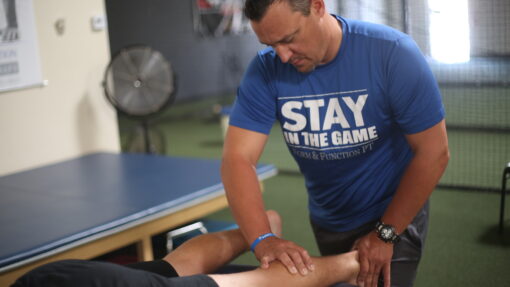
Elevate Your Healing Journey with PEMF Therapy at Form & Function PT
If you’re navigating the path to recovery or striving for enhanced well-being, PEMF therapy might be the transformative solution you need. At Form & Function PT, we’re dedicated to guiding you through each step of your health journey with our expert therapies, including the groundbreaking PEMF treatment. Ready to explore how PEMF therapy can benefit you? Reach out to us at (888) 619-2885 for a conversation with our physical therapists and discover a new avenue to health and vitality.
If You Liked This, We Think You’ll Like
Why Does Lower Back Pain Keep Coming Back? (Sciatica Explained) 5 Warning Signs Your Golf Swing Is Compensating for an Old Injury